

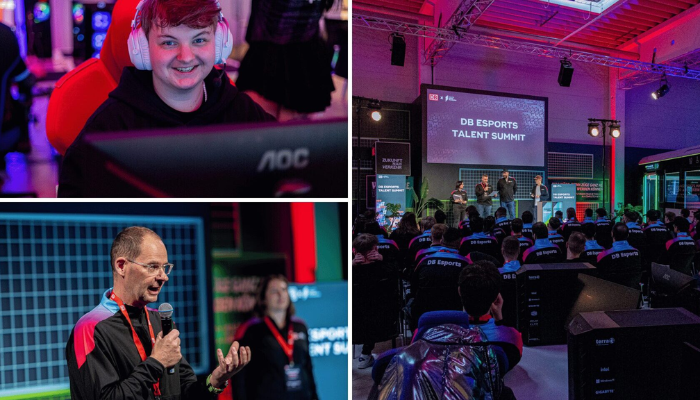
In the fast-paced world of competitive gaming, staying updated is no longer optional—it’s essential. esports news dualmedia has emerged as a powerful source of information for fans, players, and industry professionals who want real-time updates, deep analysis, and engaging multimedia coverage of the esports ecosystem. From global tournaments to rising esports stars, this platform style of coverage brings everything together in one dynamic space.
As esports continues to grow into a billion-dollar industry, the demand for accurate, engaging, and instant news has skyrocketed. Traditional reporting alone is no longer enough. That’s where esports news dualmedia stands out—combining written journalism, video highlights, live streams, and social storytelling into a unified experience. This evolution is transforming how audiences consume esports content, making it more immersive, interactive, and impactful than ever before.
What is Esports News Dualmedia and Why It Matters
esports news dualmedia refers to a hybrid approach to esports journalism that integrates multiple forms of media—text, video, audio, and interactive content—into a single, cohesive news experience. Instead of relying solely on written articles, dualmedia platforms present esports updates in a more engaging and visually rich format that matches the energy of competitive gaming itself.
This approach matters because esports audiences are highly digital-native. Fans of games like League of Legends, Valorant, Dota 2, and CS2 expect fast, visual, and interactive content. Dualmedia coverage ensures that news is not only consumed but experienced. Whether it’s match breakdowns, player interviews, or tournament highlights, the format enhances understanding and keeps audiences deeply engaged.
Moreover, esports news dualmedia bridges the gap between casual viewers and hardcore fans. Beginners can enjoy simplified video summaries, while advanced users can dive into detailed analytics and written breakdowns. This layered approach makes esports more accessible and helps expand the global audience base.
Ultimately, dualmedia is not just a format—it is a transformation in how esports journalism operates in the digital age.
Evolution of Esports Journalism and the Rise of Dualmedia
Esports journalism has evolved significantly over the past decade. In its early stages, coverage was limited to forums, blogs, and niche websites. News was often delayed, fragmented, and lacked professional structure. However, as esports grew in popularity, media organizations began to invest in dedicated reporting teams, leading to more structured and reliable content.
The rise of esports news dualmedia represents the next phase of this evolution. With the explosion of streaming platforms and social media, audiences now expect instant updates paired with visual storytelling. Dualmedia platforms combine written reporting with real-time video clips, highlight reels, and live commentary, creating a more complete news experience.
Another key factor driving this evolution is audience behavior. Modern esports fans consume content across multiple devices and platforms simultaneously. A single match might be followed through live streams, Twitter updates, and post-game analysis videos. Dualmedia consolidates these fragmented experiences into one unified source, improving convenience and engagement.
As technology continues to advance, esports journalism is shifting from static reporting to dynamic storytelling—and dualmedia is at the center of this transformation.
Key Features of Esports News Dualmedia Platforms
One of the most important features of esports news dualmedia platforms is real-time coverage. Esports events move quickly, and fans demand instant updates. Dualmedia systems provide live score updates, match commentary, and instant video highlights, ensuring audiences never miss critical moments.
Another key feature is multimedia storytelling. Instead of reading long text-based reports, users can watch embedded clips, view infographics, and listen to expert commentary. This makes complex strategies and gameplay breakdowns easier to understand, especially for newer fans entering the esports scene.
Additionally, dualmedia platforms often include interactive elements such as polls, live chats, and community discussions. These features encourage fan participation and make esports news more engaging and social. Users are not just readers—they become active participants in the conversation.
Finally, data-driven insights play a huge role. Advanced statistics, player performance metrics, and team comparisons are integrated into the content, offering deeper analysis that goes beyond surface-level reporting. This combination of speed, visuals, and data defines the core strength of dualmedia esports journalism.
Impact of Esports News Dualmedia on the Gaming Ecosystem
The influence of esports news dualmedia on the gaming ecosystem is significant. For players, it provides greater visibility and recognition. Rising stars can gain exposure through highlight reels and feature stories, helping them build personal brands and attract sponsorship opportunities.
For fans, dualmedia enhances the viewing experience. Instead of passively watching tournaments, audiences can actively engage with content through commentary, analysis, and social interaction. This creates a stronger emotional connection between fans and their favorite teams or players.
Brands and sponsors also benefit from this model. With more engaging content formats, advertising becomes more effective and less intrusive. Product placements, branded segments, and sponsored analysis videos blend naturally into the content ecosystem, increasing marketing value without disrupting user experience.
Esports organizations also rely on dualmedia coverage to build their global presence. Teams use media exposure to grow fanbases, attract investors, and expand into new markets. In this way, dualmedia is not just reporting esports—it is actively shaping its growth.
Future Trends in Esports News Dualmedia
The future of esports news dualmedia is closely tied to technological innovation. Artificial intelligence is expected to play a major role in generating real-time match summaries, predictive analysis, and personalized content recommendations for users. This will make esports news even faster and more tailored to individual preferences.
Virtual reality and augmented reality are also likely to transform how esports news is consumed. Imagine watching a match breakdown in a fully immersive 3D environment or analyzing player movements on a virtual battlefield. These innovations will take storytelling to an entirely new level.
Streaming integration will continue to expand as well. Live coverage will become more interactive, allowing viewers to switch camera angles, access live stats, and interact with commentators in real time. This will blur the line between broadcasting and gaming.
Finally, monetization models will evolve. Subscription-based premium insights, exclusive behind-the-scenes content, and NFT-based digital collectibles may become part of the esports media ecosystem. As the industry grows, dualmedia will remain at the forefront of innovation.
Conclusion
esports news dualmedia represents a major shift in how esports content is created, distributed, and consumed. By combining multiple media formats into a unified experience, it delivers faster updates, richer storytelling, and deeper audience engagement. As esports continues to grow globally, dualmedia platforms will play a crucial role in shaping its future, making the industry more accessible, interactive, and influential than ever before.
FAQs
1. What does esports news dualmedia mean?
It refers to esports journalism that combines text, video, and interactive content into one integrated platform.
2. Why is dualmedia important in esports?
It enhances engagement by providing faster updates and more immersive storytelling.
3. How does esports news dualmedia benefit fans?
Fans get real-time updates, highlights, and interactive features in one place.
4. Is dualmedia replacing traditional esports journalism?
Not replacing, but evolving it into a more dynamic and visual format.
5. What types of games are covered?
Popular esports titles like Valorant, Dota 2, CS2, and League of Legends.
6. Does dualmedia include live streaming?
Yes, many platforms integrate live streaming and real-time commentary.
7. How do players benefit from dualmedia coverage?
They gain visibility, branding opportunities, and global recognition.
8. Can beginners understand esports through dualmedia?
Yes, it simplifies complex gameplay using visuals and summaries.
9. What technologies support dualmedia platforms?
AI, data analytics, streaming tools, and interactive media systems.
10. What is the future of esports news dualmedia?
It will become more immersive with AI, VR, and advanced interactive features.